The Ultimate Guide to Cinematography
The House of Tabula · 14,422 words · 72 min read · EN-ORIG
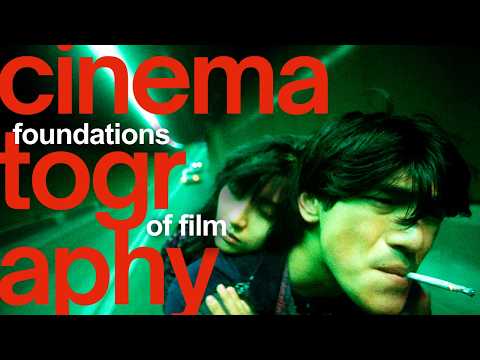
Below is the complete, readable transcript of The Ultimate Guide to Cinematography by The House of Tabula on YouTube. Read the full text, copy any part you need, or generate a transcript for any video with our free tool.
When you remember your favorite films, what do you think of most? I think the first thing that springs to mind is how they look. We're often drawn to a film by its beauty and how a single frame can resonate with us. Just a few seconds of the poignant capturing of real life and
we can't help but feel that that explains everything right there. Words almost can't do justice when beauty is the meaning. We see images, we love them, and they stay with us, finishing our thoughts and our memories. But those pieces of cinema that many have described as the most beautiful: Lawrence of Arabia, Once Upon a Time in
the West, Barry Lyndon. Do any of you know who shot these films? And I don't mean the director, I mean the cinematographer. Cinematography is arguably the art of cinema. At the very least, it's the artisanal aspect of filmmaking. It's the area where those people who invested their time in the study of light,
composition, and framing employ their knowledge. It's through their understanding of the tools and technology that the ideas that make a film are brought to fruition. These people are the ones that materialize the film, and yet people don't know them. They're the ghost writers to the cultural pop anthem, the invisible maestro of whom without the medium falls
silent. When we think of a collection of films, the first way we often group them is as a director's filmography. We've done that with the previous episode, Masters of Cinema. And so it's time to bring another group of artists momentarily to the forefront, to learn about the people that escalated and innovated in the
field of cinematography and thus cinema as a whole. Now, the thing about giving a list of cinematographers is that they aren't as clear-cut as a director's selection of work. Cinematographers are more workers of film than a director. They'll be active on far more sets, many working on several projects a year. And so there's more of a task of discerning
Transcribe another video
Paste any YouTube, Instagram or TikTok link to get a free transcript.